They produce well. But they do not know how to tell their story.

Stéphane Caoki
Ideas
3 minutes
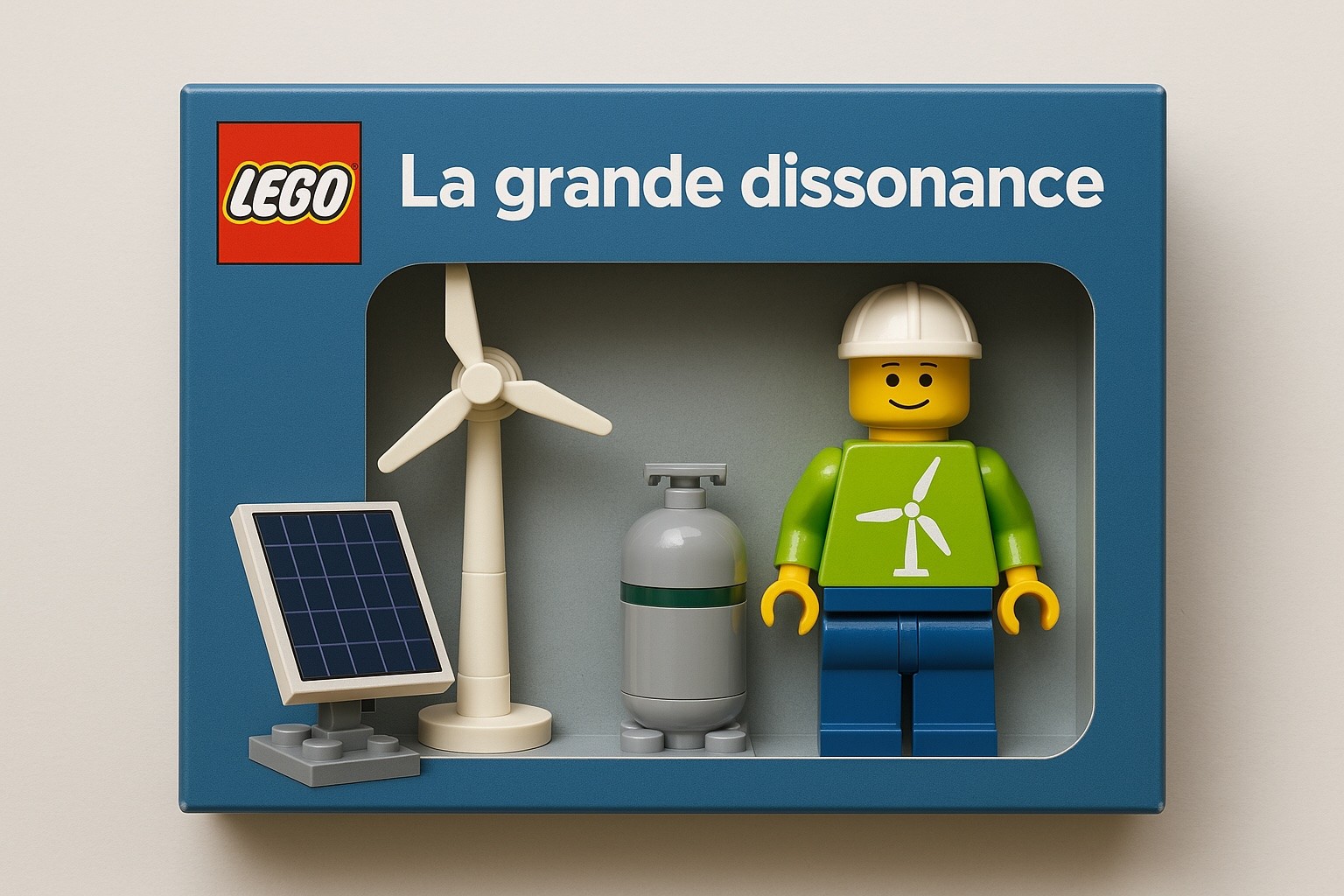
The great dissonance of energy brands.
A reflection on the communication challenges in the energy sector at the time of the transition.
A spectacular acceleration… but a deficit of narrative
Energy actors are undergoing a structural transformation. They are investing heavily, innovating, relocating, diversifying. They talk about sovereignty, self-consumption, local loops, storage, flexibility, emission reduction, decarbonization strategy.
But their way of communicating remains stuck in a model of yesterday: technical, institutional, cautious. Even invisible. The branding strategy struggles to keep up with the technical ambition.
What I saw while working in this sector
In recent weeks, I had the opportunity to investigate the sector and discover several players: independent producers, local energy distributors, aggregators, integrators, public/private projects…
The observation is recurrent:
the on-ground performance is impressive. The brand posture, much less so.
Companies talk about GWh, CAPEX, energy mix, installed power… but not about aspiration. No vision. No shared transformation.
And that is precisely where the problem lies.
An underestimated strategic tension
This is not a cosmetic issue. It is a strategic tension: when there is a gap between what the company does and what it says, it loses perceived value. It loses engagement time. Talent. Influence. Sometimes even bids.
And in a sector that is so political, so exposed, readability becomes a brand asset in its own right.
Three common mistakes observed
Believing that facts speak for themselves.
No. They need to be contextualized, made visible, humanized.Underrating the importance of narrative in an energy project.
Solar, wind, biogas… are not technical projects. They are territorial, societal projects.Opposing communication and sincerity.
Communicating is not betraying the DNA. It’s giving it an audible form.
What needs to be activated
A clear narrative platform (and shared internally)
Project formats designed as brand assets
An assumed posture in the public debate: local, human, responsible
A content strategy for energy that makes the transition readable and inspiring
And the ability to communicate with those who haven’t attended Polytechnique
It is no longer (just) energy that needs to be produced. It is engagement.
The energy sector is not lagging behind. But it is still often silent. And in the coming years, it will be the brands capable of speaking rightly, at the right level, at the right timing, that will make the difference.
And what if that were the real critical issue of the moment?
Are you working on these challenges? Do you see other tensions to explore?
I suggest discussing it in person.