3 trends in tourism in 2022

Claire Gallic
10 minutes
The tourism industry has been significantly impacted by the global pandemic. Lockdowns, travel restrictions, changing information, fears among the populations. Borders have become those of our homes for some time before gaining new perspectives and desires for elsewhere.
Summer 2021 offered a surge of energy for an industry under pressure. According to a survey conducted by ADN Tourisme, 59% of the French went on vacation and/or weekend trips during July and August. 9 out of 10 trips took place in France.

Infographic produced by ADN Tourisme as part of its survey
This exceptional period calls for a rethink of tourism offers and especially the future of the industry (even if it’s not always won…).
MICROADVENTURE AND RESPONSIBLE TOURISM
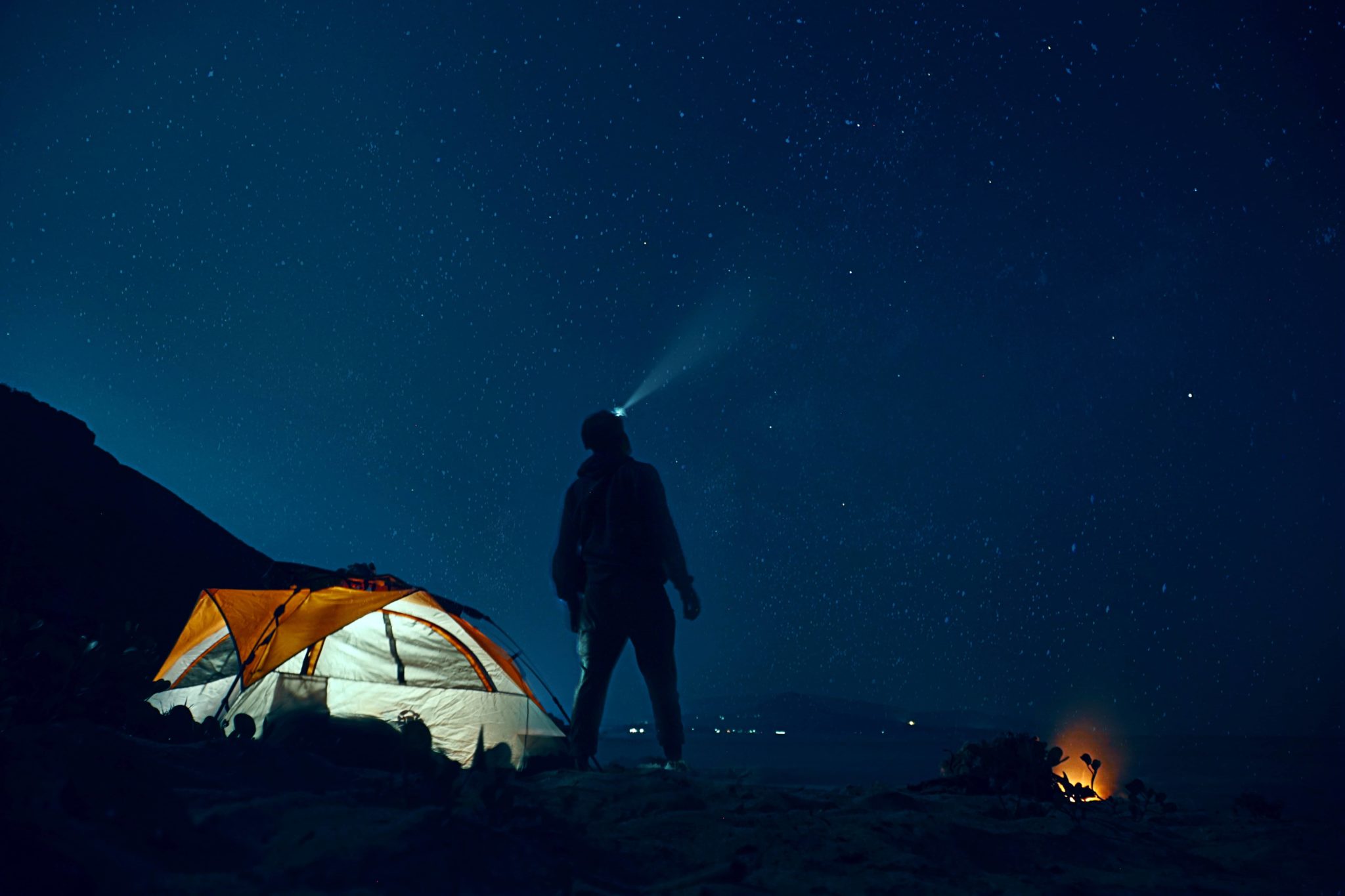
Popularized in 2012 by Alastair Humphreys when he was elected Adventurer of the Year by National Geographic, the term "microadventure" has continued to carve its way to the top. A short stay, close to home, achievable by all, this is a concept that has seduced many travelers.
Once again, the Covid-19 crisis has heightened the strong appeal of microadventure since it is right at your doorstep, nearby, or just a few kilometers away.
Two days of cycling in the Nantes vineyard, a night camping at 2000 meters altitude, a surf trip in a van in Vendée, in short, the limit is your imagination.
Behind the concept of microadventure lies a desire for connection to nature off the beaten path. It is also a way to consume less, to learn to appreciate the beauty of our country without necessarily wanting to travel thousands of kilometers and to reduce our impact on the planet.
Specialized players are working towards the development of microadventure in France. We can mention the famous Chilowé, 2 days to live or the Others (who have just released a "method card to organize your adventures in nature" in partnership with IGN and FFRandonnée).
And for all tourist destinations, it is a real opportunity to better distribute flows in their territories, to encourage exploration, to practice new activities, and to meet locals. They have the chance to reconnect more strongly with their local heritage and all their sometimes-overlooked assets in favor of must see.
Finally, microadventure promotes the concrete transformation of the discourse calling for more responsible tourism. We then see the emergence of charters, citizen consultations, and participatory initiatives. In short, a whole range of initiatives that work to change the game. Guillaume Cromer, Director of ID-Tourism, also talks about it in this blog article: Responsible tourism: the time to involve visitors.
EXAMPLE 1: DESTINATION RENNES
Destination Rennes offers on its site 5 microadventures to experience from the city. A walking road trip to discover the mosaics of Odorico and War's graffiti in the city center, cycling, paddleboarding on the Vilaine, or discovering a secret spot. The promise is there. The tourist office shares a map, practical information, and everything needed to want to embark on an adventure.

EXAMPLE 2: THE ALPES-MARITIMES DEPARTMENT
The Alpes-Maritimes Department launched for the summer of 2021 a microadventure booklet listing 50 outdoor experiences for locals and tourists. Enough to explore the territory based on your desires.

WORKATION: A MIX OF WORK AND VACATION
The Workation, a contraction of work (travail) + vacation (vacances), is not new but the health crisis has reshuffled the cards of the game. The world of work has undergone and continues to undergo an upheaval where the rise of telecommuting is unprecedented.
For the French whose jobs allow it, a new way of traveling has emerged. According to a survey by OpinionWay for Pierre & Vacances, 72% of respondents say that telecommuting allows for a better balance between professional and private life, particularly thanks to the possibility of working anywhere, extending the duration of stays, or traveling at off-peak times to take advantage of more attractive tourist offers.
Lives are blending and boundaries are becoming porous. The quest is now to find a wifi spot to enjoy vacations while also organizing work time effectively.
For tourism players, workation has become a marketing argument.
EXAMPLE 1: VISIT BARCELONA
Visit Barcelona highlights workation on its site: https://www.barcelonaturisme.com/wv3/fr/page/3165/workation.html
EXAMPLE 2: CLUB MED
Club Med promotes workation in some of its Google Ads.

EXAMPLE 3: TUI BELGIUM
TUI Belgium has branded a dedicated workation offer.

VIRTUAL WORLDS TO OVERCOME BORDERS
The tourist pressure on certain areas of the world, the Covid-19 pandemic that has affected the entire globe, and the climate emergency invite us to reinvent the tourism of tomorrow. Virtual worlds then offer alternatives that, while sometimes resembling science fiction, can coexist with reality.
The world of Culture has been significantly impacted by the crisis, and many initiatives have emerged. While it is always pleasant to stroll through a museum, virtual visits allow one to break free from geographical distance or to extend a visit.
EXAMPLE 1: THE LOUVRE MUSEUM
The Louvre Museum offers virtual tours of its rooms. It is then possible to contemplate the works, read the labels, and navigate using a map. It is frankly well done.

To go further, the Louvre Museum created " Face-to-face with the Mona Lisa ", a virtual reality experience (to be viewed on your smartphone with or without a headset). As a spectator, you let yourself be carried away by the narration.

EXAMPLE 2: INSPIRED BY ICELAND
Inspired by Iceland, the country's tourist office is known for its always ambitious and humor-tinged marketing campaigns. When Mark Zuckerberg, the CEO of Facebook, presented the Metaverse, the OT reacted with Icelandverse, a world where everything is real.
And to go further, we invite you to read this article that encourages reflection on the tourism of tomorrow: Towards a more productive, resilient, and attractive tourism.